Trump's Iran Deal Lifts All Sanctions and Commits $300 Billion to Iran; Analysts Note Key Difference From Obama Iran Deal Is That This One Is Good
Officials confirm no American money is involved. The path by which the resulting economic prosperity reaches the American worker remains under development.
President Trump signed a memorandum of understanding with Iran this week, ending a conflict that began with U.S. airstrikes in February and establishing a framework for comprehensive sanctions relief, immediate Iranian oil market access, and a $300 billion regional reconstruction fund. The text of the agreement has not been released to the public, though senior administration officials described its broad terms to reporters accompanying the president at the G7 summit in Évian-les-Bains, France.
The reported agreement commits the United States to lifting all types of sanctions on Iran, including those approved by the United Nations and the International Atomic Energy Agency, upon completion of a final deal. A separate provision would allow Iran to sell oil and petrochemical products beginning at the moment the memorandum is signed. A senior official described the document as "just the first MOU," with real technical discussions to be led by Vice President Vance later in the week.
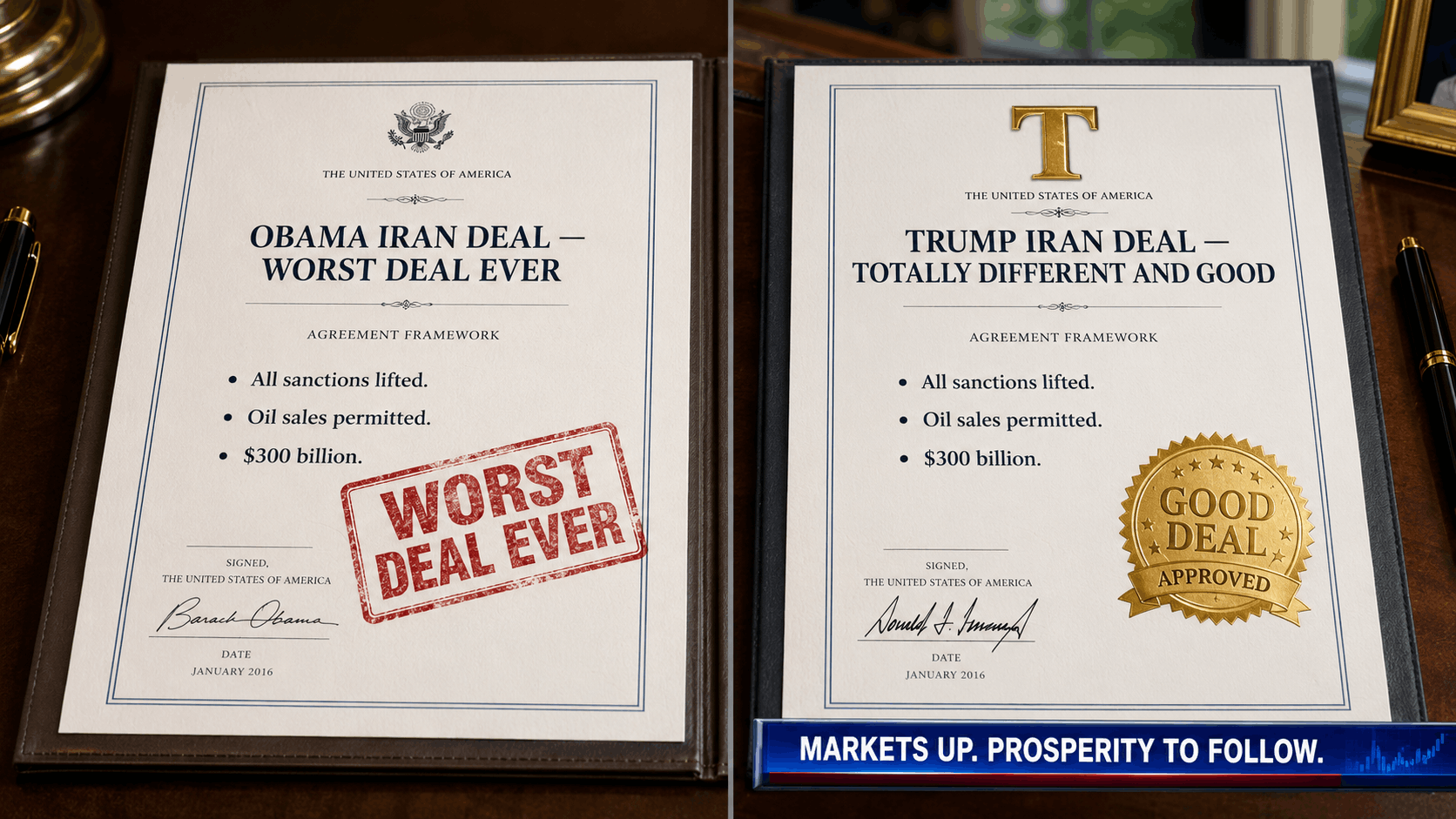
The administration has confirmed this deal is different from the Obama deal. The ways in which it is different remain under development.
— Margaux Dunbar-Pennington, note to editor
Administration officials moved quickly to clarify that the $300 billion reconstruction fund, a figure larger than the current United States defense budget, would not involve American taxpayer money, as the financing would come from other countries choosing to invest in Iran. President Trump told reporters at the summit that he "couldn't stop other countries from investing." Vice President Vance described the arrangement as "a lot of economic prosperity that can flow from that." The mechanism by which that prosperity reaches the American household was not outlined in materials available to this reporter.
In 2018, President Trump withdrew the United States from a previous nuclear agreement with Iran, calling it "the worst deal in history" and "a horrible one-sided deal that should have never, ever been made," citing its provisions for sanctions relief. That agreement provided Iran access to frozen assets estimated by various sources between $25 billion and $56 billion. The memorandum signed this week, per text obtained by Bloomberg and CNN, commits to lifting all sanctions on Iran and permits immediate oil sales upon signing. Iranian state media reported that "all of our positions and important issues are included in the draft." The New York Post, which has endorsed President Trump in two consecutive elections, ran the front-page headline "LOVEBOMB" on Wednesday above a story describing the administration as showering the Iranian regime with economic benefits. The White House communications director said the published text did not reflect the language of the actual agreement. The Post's front page reflected the language of the Post's front page.
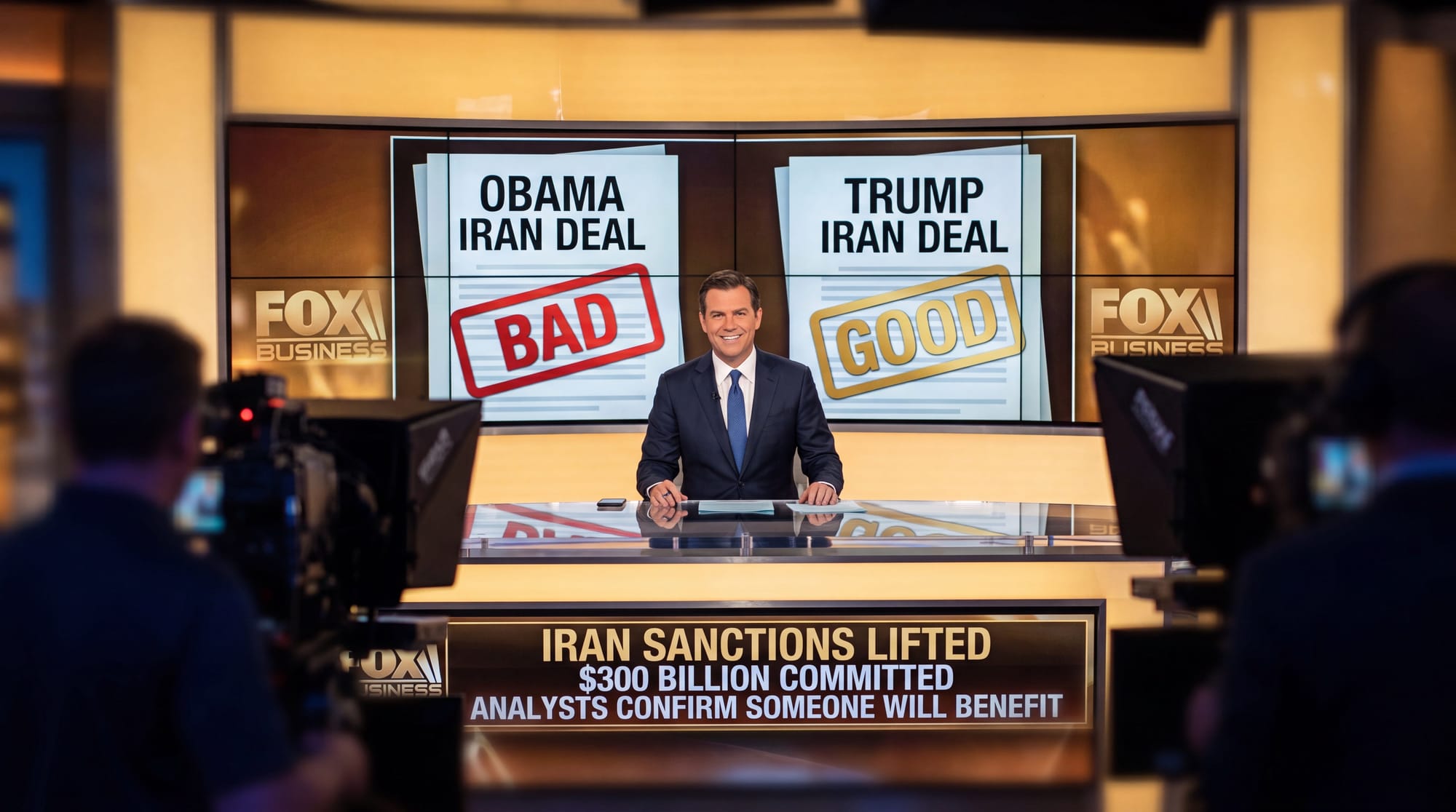
The region's greatest investment opportunity in 40 years begins the moment the technical discussions conclude. This is not your money going to Iran. This is the market. The market reflects the deal. The deal reflects the president. The president says it is good. Analysts confirm someone will benefit.
FIRST MOVER ADVANTAGE. TRICKLE-DOWN IS REAL. YOUR 401(K) IS POSITIONED AND WAITING.
The full economic analysis of the Iran memorandum, including the implications for energy markets, regional reconstruction investment vehicles, and the theoretical mechanism by which sanctions relief benefits the American household, is available to subscribers. Margaux Dunbar-Pennington has been covering markets and opportunity for eighteen years. She has not yet identified the specific moment at which trickle-down occurs, but remains confident that it will. Her full analysis includes a chart showing the projected flow of economic prosperity from the $300 billion reconstruction fund through regional intermediaries to the American middle class. The chart shows a very long arrow. The arrow is pointed in a direction.