Trigger Warning: This Is Going to Enrage You – ICE Agent Shoots Minnesota Mom at Point‑Blank Range as 911 Transcripts and Videos Expose the Harrowing Final Minutes of Renee Good’s Life
Trigger Warning: ICE agent Jonathan Ross shoots Renee Good, 37yo MN mom of 3, point-blank in her SUV. 911 calls capture screams, blood, chaos as she bleeds out. Transcripts/videos reveal fury: "F**king bitch." Unjustified? Docs say yes.

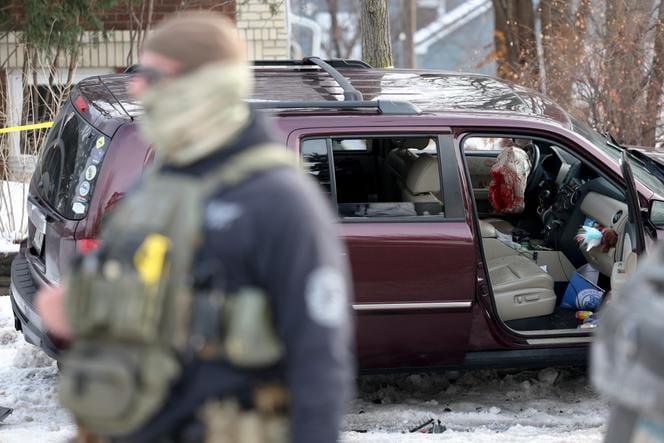
Renee Nicole Good’s final morning unfolded in minutes that were chaotic, documented in excruciating detail, and, for many, unforgivable. Walk with Whiskey Leaks through those minutes as precisely as the 911 transcripts, incident reports and videos allow, including the most painful parts of what was done to a 37‑year‑old mother of three.
The morning that ended in gunfire
Renee Good drove her maroon Honda Pilot into a south Minneapolis neighborhood on the morning of January 7, 2026, where Immigration and Customs Enforcement agents were already on scene for an operation. By 9:40 a.m., she would be bleeding out in that same SUV as bystanders screamed into 911 phones that federal agents had just shot a woman who would not open her car door.
According to the records, the city pegs the incident as beginning around 9:30 a.m. local time, when tensions between ICE and people in the area were already high. Cellphone and body‑worn videos show multiple agents, armored and masked, clustered around vehicles in the street as residents watched and filmed. Renee’s presence and the agents’ decision to confront her became the catalyst for a deadly escalation that local police did not initiate but were left to clean up.
Confrontation in the street
In the footage described in the reports, ICE agent Jonathan Ross stood near Renee’s SUV, his masked reflection captured in a cellphone camera held by Renee’s wife, Becca. Renee, still inside the vehicle, can be heard trying to keep her voice level: “That’s fine, dude. I’m not mad at you.” Ross doesn’t respond, offering no explanation, no reassurance, just a silent, armed presence inches from a family car.
Becca refuses to be intimidated and speaks directly to Ross, telling him to “show your face” as she films his reflection. She taunts him—“You wanna come at us? … I say go get yourself some lunch, big boy”—a mix of anger, fear and defiance directed at someone who has power over her family but refuses to even uncover his face. She tries to get back into the SUV but finds the door locked, an ominous detail in a situation where armed officers control the space and the exits.
The seconds before the shots
The CNN and local reports describe Ross’s own video as capturing audio of what happens next, but not the shooting itself. Other bystander footage, however, fills in the gaps and shows that Ross was standing out of the vehicle’s path when he opened fire, contradicting any suggestion that he was about to be run over. From a position outside immediate danger, he raises his weapon and fires first into Renee’s windshield, then at point‑blank range through the open driver’s side window.
Witnesses later tell 911 that the car lurched and crashed after the shots, with at least one caller saying they did not think the driver was okay. The end of Ross’s video, according to descriptions, shows the SUV barreling forward as someone’s voice, cold and furious, spits out, “f**king bitch.” In the midst of chaos, that line lands like a verdict: not just a killing, but a killing wrapped in contempt.
9:38–9:41 a.m.: the 911 calls begin
The first 911 calls hit the Minneapolis system at roughly 9:38 a.m., only moments after the shots. Callers report that there are “15 ICE agents” on scene and that a woman has been shot “’cause she wouldn’t open her car door.” Voices in the background—yelling, crying, swearing—capture the panic better than any clinical report ever could.
At 9:40 a.m., another caller tells dispatchers they just saw an ICE agent shoot someone in their car and then watched the vehicle crash. “I don’t think they’re okay,” the caller says, struggling to find words for what looks like a public execution carried out in broad daylight. A minute later, a different caller focuses on the physical horror in front of them: “blood all over the driver,” and an agent still standing there, wearing an ICE tactical vest, as if this were just another operation.
What first responders found
When fire and EMS finally reach the SUV, the incident reports say they find Renee unresponsive in the driver’s seat, not breathing, with an irregular or absent pulse. The documents reviewed by local reporters describe at least two apparent gunshot wounds to her chest, one to her left forearm, and a possible wound to the left side of her head. These are not warning shots, not stray bullets; they are clustered, lethal hits to vital areas of a woman who never fired a gun that day.
The scene is volatile enough that EMS decide they have to move Renee out of the vehicle just to work on her. They drag or lift her to the sidewalk to “get separation from an escalating scene involving law enforcement and bystanders,” a phrase that flattens screams, accusations and grief into bureaucratic language. On the pavement, medics begin CPR and continue it as they prepare transport, fighting to restore a heartbeat that federal firepower has already destroyed.
Chaos over who is in charge
The internal logs show that responders themselves are overwhelmed and confused. One stark line in the report reads, in all caps, “STILL ATTING TO FIGURE OUT WHOS IN CHARGE,” signaling a power struggle between local police, federal agents, and whoever is supposed to take command when a federal officer shoots a civilian on a city street. Around 10:10 a.m., there is a request for more officers purely for crowd control and a directive to “CONTACT WHO IS IN CHARGE OF FEDS AND HAVE THEM LEAVE SCENE.”
Those few words reveal a lot: local authorities want federal agents off the block, while witnesses and family members want answers that no one seems prepared to give. The same documents that tally bullet wounds and CPR compress outrage into shorthand, even as people nearby are filming, sobbing, and yelling that a mother has been killed for refusing an order.
Aftermath and narrative battle
In the days that follow, federal and local officials begin to craft their narratives. ICE confirms that Ross was involved and emphasize his own injuries, reporting that he suffered internal bleeding, while saying little about the specific choices that led him to fire into a car at close range. The Trump administration publicly defends the shooting, with messaging that paints Renee as a threat and frames the agents’ operation as a justified act of law enforcement in a dangerous environment.
On the other side, Renee’s family and their attorneys speak out, calling attention to who she was: a 37‑year‑old mother of three, a spouse, a member of a community that has lived for years under the shadow of immigration enforcement. Her lawyer pushes back against what he describes as false and defamatory online claims about her background, arguing that these smears are designed to make people accept a killing they otherwise would reject. Polling soon shows that most Americans do, in fact, view the shooting as unjustified, despite the administration’s attempts to defend it.
A death that won’t stay quiet
The release of roughly 60 pages of 911 transcripts and police and fire reports gives an unvarnished look at how quickly things spiraled from confrontation to killing to institutional confusion. In terse entries and profanity‑laced call logs, the documents capture shock, rage and disbelief as ordinary people watch a woman being shot by the state in real time. Videos, including Ross’s own, preserve the sound of gunfire and the words spoken before and after—“I’m not mad at you,” “f**king bitch”—so that no one can pretend this was clean or clinical.
Renee Nicole Good did not die in the shadows or in a remote detention site. She died in a neighborhood street, in front of cameras and children and neighbors, with federal agents in tactical gear surrounding her and local dispatchers fielding call after call that all said the same thing: an ICE agent shot a woman in her car, and now she is covered in blood.
