The Autopen Hypocrisy: Trump’s War on Biden’s Ghost Signatures—While His Own Pen Runs on Batteries
Trump blasts Biden for using the autopen to sign official documents—then admits he uses it too. Here’s the irony, the history, and the legal truth behind the pen fight.

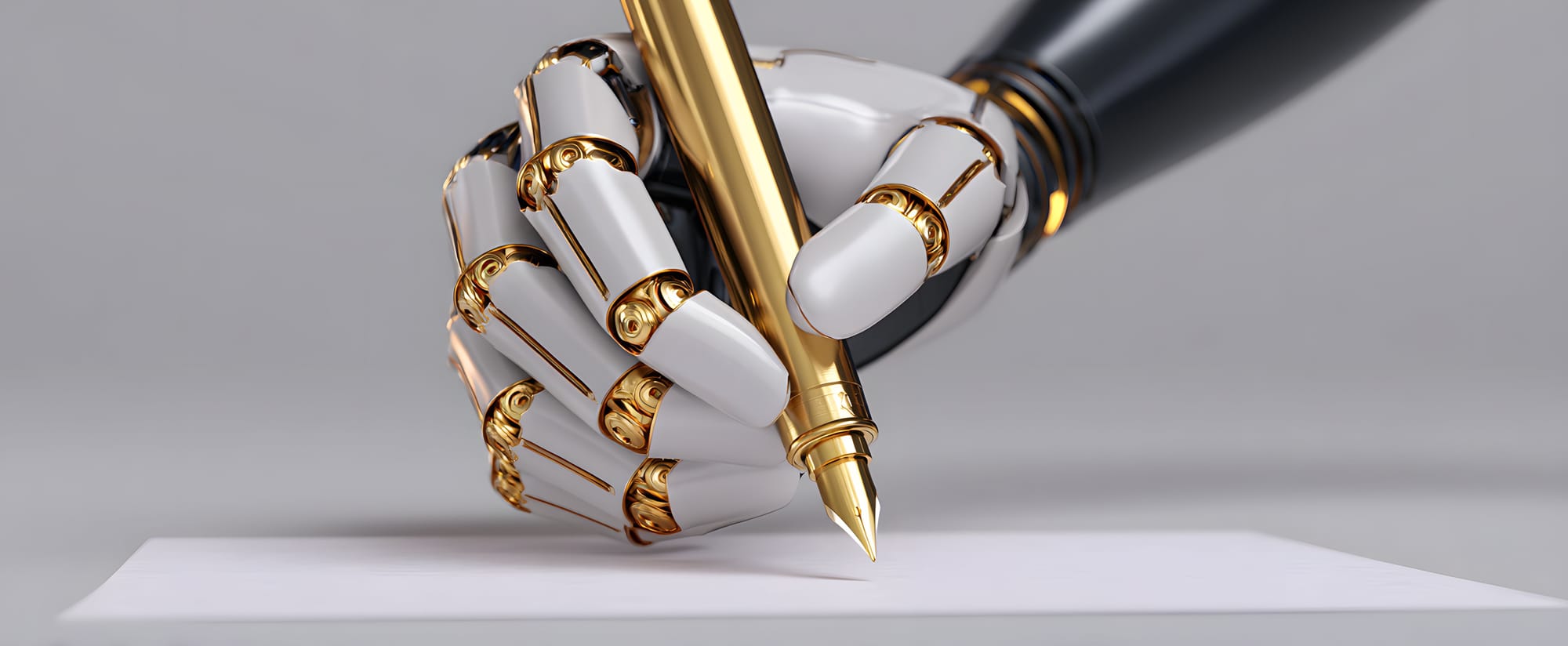
When President Donald Trump took to Truth Social on November 28 to declare that “any document signed by Sleepy Joe Biden with the Autopen… is hereby terminated,” the internet collectively spit out its coffee. Trump claimed that roughly 92% of Biden’s official acts were signed by a mechanical signature replicator, rendering them “null and void” faster than a MAGA hat recall. He even threatened perjury charges if Biden insists he was involved. Bold move—especially for a man who later admitted he uses the same device for his own paperwork.
Biden’s Alleged Crime: Autopen on Overdrive
According to Trump, Biden’s aides were running the Oval Office like a bad episode of House of Cards, cranking out executive orders, pardons, and FAA funding extensions while Biden was “napping in San Francisco.” The president painted a picture of rogue staffers hijacking the presidency with a robot pen, even swapping Biden’s official portrait for a photo of the autopen in the White House colonnade—a trolling masterpiece worthy of a meme hall of fame.
Republicans have long whispered that Biden’s heavy autopen use masked “cognitive decline.” Democrats counter that this is political theater: Biden authorized every action, and autopen use is standard practice for presidents juggling thousands of documents.
The Legal Reality Check
Here’s the kicker: autopen signatures are legal—and have been since Thomas Jefferson’s day. Jefferson used a polygraph device in 1803 to duplicate his writing. Fast-forward to 2005, when the Justice Department under George W. Bush issued a memo confirming that a president may sign a bill by directing a subordinate to affix his signature, “for example, by autopen.” Barack Obama famously used one in 2011 to sign a Patriot Act extension while abroad.
Legal scholars agree: the Constitution cares about intent, not whether the president personally grips the pen. If Biden authorized the orders, they stand. Trump’s declaration on social media? Pure performance art—he’d need an actual executive order to undo Biden’s directives, and pardons are irreversible anyway.
Trump’s Flip-Flop: “Only for Unimportant Papers”
Now for the irony thick enough to autograph with a Sharpie: Trump admitted in March that he uses the autopen too—just “for very unimportant papers.” Think thousands of letters to sick kids and fans. “But to sign pardons and all the things he signed with an autopen is disgraceful,” Trump huffed, apparently unaware that hypocrisy was signing his name in real time.
The Punchline
Trump’s crusade to nuke Biden’s autopen legacy is less about constitutional purity and more about optics. Presidents have revoked predecessors’ executive orders for centuries—autopen or not. This latest drama is a partisan proxy war dressed up as a legal showdown. If irony had a signature, it would be autopenned by both men—and Trump would sue it for plagiarism.
Fact Nuggets
- Autopen History: First used by Jefferson in 1803; modern versions date to the mid-20th century.
- Legal Precedent: DOJ memo (2005) says autopen use is constitutional if authorized by the president.
- Obama’s Milestone: First president to sign legislation via autopen in 2011.
- Trump’s Admission: Uses autopen for “unimportant papers” like constituent letters.
Final Thought
If this saga proves anything, it’s that in Washington, even pens have political affiliations. Maybe the next presidential debate should skip policy and go straight to a handwriting contest—winner gets to keep the batteries.